


Use as directed.
For complete information, see product label.
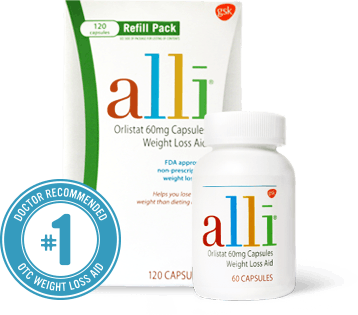
alli IS THE #1
DOCTOR RECOMMENDED
OTC WEIGHT LOSS AID.*
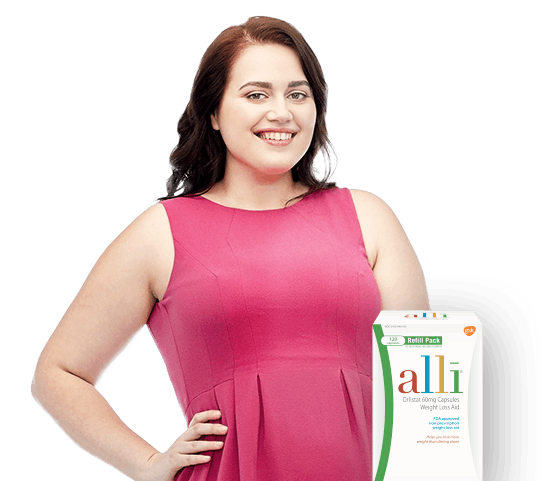
When used as directed, alli can help you lose 50% more weight than dieting alone.
*Among over the counter (OTC) weight loss products, based on physician survey June 2021.

alli prevents about 25% of the fat you eat from getting absorbed into your body.*
alli is the only OTC weight loss aid approved by the FDA.*

alli can help you lose more than 2 inches from your waist size after 24 weeks of use.


Use as directed.
Use as directed.
For complete information, see product label.
*alli (orlistat 60 mg capsules) is for weight loss in overweight adults, 18 years and older, when used along with a reduced-calorie and low-fat diet. Follow label directions.
Use as directed.
For complete information, see product label.
Use as directed.
For complete information, see product label.
SAVE ON alli


